

What Families Should Know About Modern Memory Care Communities
Navigating the journey of cognitive decline is a profound challenge that many families face as their loved ones enter their golden years. When a diagnosis of dementia or Alzheimer’s disease arrives, it often brings a wave of uncertainty regarding the future of daily living. Modern memory care facilities have evolved significantly to meet these challenges, moving away from clinical environments toward holistic, person-centered communities. These specialized settings focus on preserving dignity while ensuring safety, providing a middle ground between traditional assisted living and more intensive medical environments. Understanding what these communities offer is the first step in making an informed decision for a relative who requires more support than a home setting can provide.
The transition to professional care is rarely a simple choice. It involves balancing the desire for independence with the necessity of specialized intervention. As cognitive health changes, the layout of a standard home can become a source of confusion or danger. This is where the intentional design of modern care environments becomes vital. According to the National Council on Aging, nearly 58 million Americans are 65 or older, and that number is projected to reach 88.8 million by 2060. This demographic shift underscores the increasing importance of accessible, high-quality cognitive support systems that can handle the unique nuances of memory-related conditions.
Prioritizing Specialized Safety Features
One of the primary reasons families explore memory care facilities is the need for a secure environment. Unlike standard residential settings, these communities are engineered to prevent common risks associated with memory loss, such as wandering. Modern design incorporates features like delayed-egress doors and secure outdoor courtyards that allow residents to enjoy fresh air without the risk of becoming lost. Wayfinding is also a critical component of safety. Professionals use color-coded hallways, distinct visual cues, and clear signage to help residents navigate their surroundings with less anxiety and more confidence.
Security goes beyond physical barriers; it involves the watchful presence of staff trained to identify subtle changes in behavior. In these environments, the staff-to-resident ratio is typically higher than in general senior housing. This ensures that help is always within reach and that residents are monitored for falls or medical emergencies. By removing the constant worry of safety from the family’s shoulders, these communities allow children and spouses to return to their roles as loved ones rather than full-time monitors.
Implementing Personalized Therapy Programs
Modern memory care facilities have moved beyond basic oversight to offer sophisticated therapeutic activities. These programs are not merely ways to pass the time; they are designed to stimulate neural pathways and maintain existing cognitive functions. Music therapy, for instance, has shown remarkable success in reaching individuals who may have lost their verbal communication skills. Hearing a familiar melody can trigger deep memories and provide emotional comfort. Art therapy is another staple, offering a non-verbal outlet for expression and a sense of accomplishment.
Individualized care plans are the backbone of these programs. Staff members spend time learning the life history of each resident. Knowing that a resident was a dedicated gardener or a lifelong teacher allows the care team to tailor activities to those specific interests. This personalized approach helps reduce the agitation and depression that often accompany cognitive decline. By focusing on what a person can still do, rather than what they have lost, these programs foster a sense of purpose and joy in daily life.
Optimizing Environmental Sensory Design
The physical atmosphere of a care community plays a major role in the well-being of its residents. Over-stimulation is a common trigger for distress in those with dementia. Therefore, modern memory care facilities emphasize a "calm and quiet" philosophy. This includes acoustic treatments to dampen sudden noises and lighting systems that mimic natural circadian rhythms. Proper lighting is especially important in managing "sundowning," a phenomenon where confusion increases during the late afternoon and evening hours. By gradually adjusting the light throughout the day, the environment helps regulate the resident’s internal clock.
Sensory gardens and tactile stations are also integrated into the floor plan. These areas provide safe stimulation through touch, sight, and smell. A resident might spend time at a "rummage desk" filled with familiar objects like fabric swatches or vintage tools, which can provide a soothing tactile experience. The goal is to create a domestic feel that avoids the cold, sterile atmosphere of a hospital. Soft textures, familiar furniture styles, and communal dining areas contribute to a sense of home and belonging.
Cultivating Dedicated Care Staff
The quality of any care community is defined by the people who work within it. In memory care facilities, the staff undergoes rigorous specialized training that goes far beyond basic caregiving. They are educated in the stages of dementia, communication techniques, and behavioral management strategies. This training helps them understand that a resident’s frustration is often a symptom of the disease rather than a personal choice. This perspective shift is essential for providing compassionate, patient care during difficult moments.
Beyond clinical skills, these professionals excel in the art of "meeting the resident where they are." This means entering the resident’s reality rather than trying to force them into the present moment. If a resident believes they need to go to work, a trained caregiver knows how to validate those feelings and gently redirect them toward a productive activity. This level of empathy and expertise creates a bond of trust between the staff, the residents, and their families, ensuring that every individual is treated with the utmost respect.
Facilitating Meaningful Social Connections
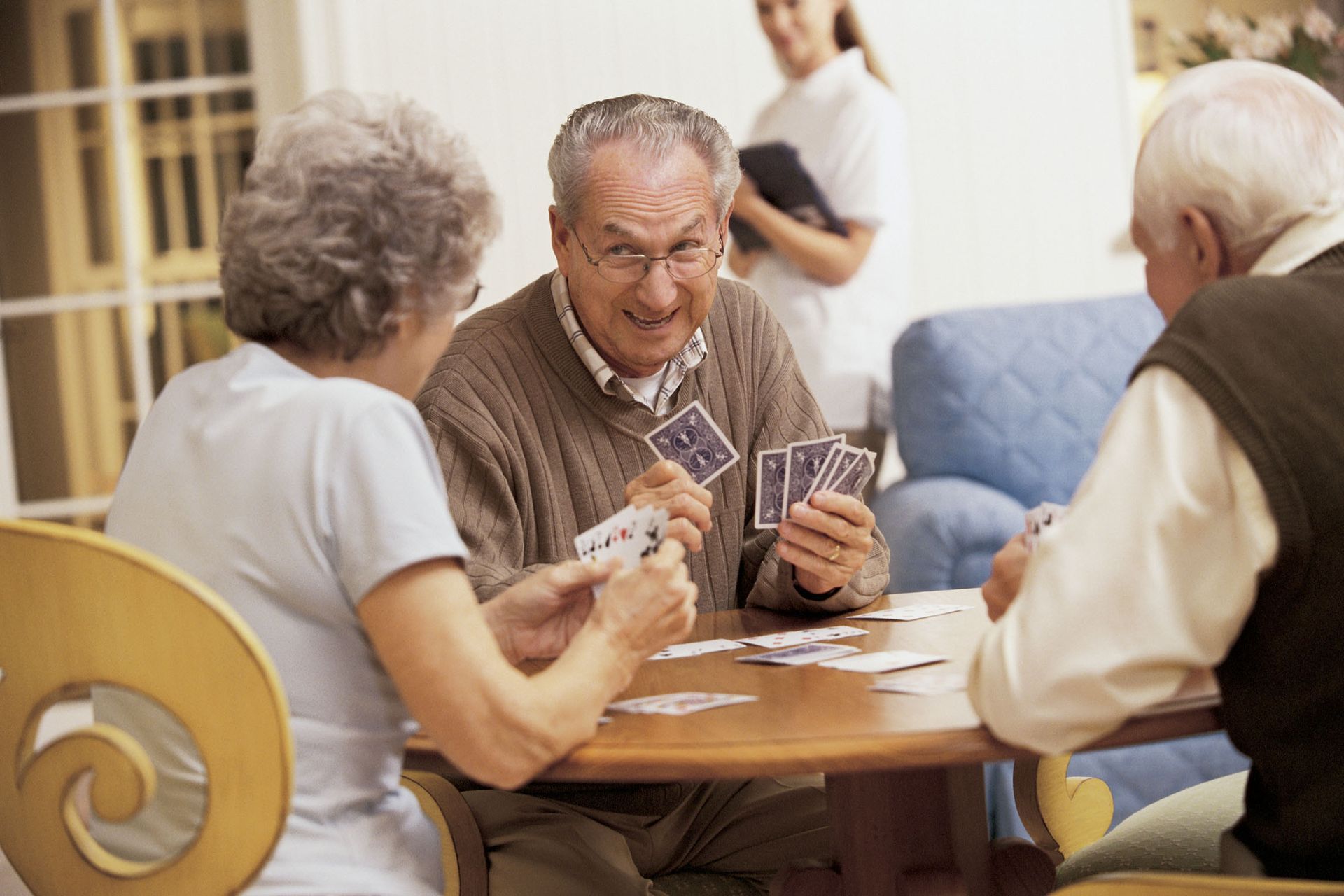
Isolation is a significant risk for seniors living with memory loss, often leading to faster cognitive decline. Contemporary memory care facilities are structured to encourage social interaction in manageable, low-stress settings. Small group activities, such as communal meals or shared puzzles, help residents maintain their social skills and prevent the loneliness that often occurs in a private home. These interactions provide a sense of community and shared experience that is difficult to replicate elsewhere.
Evaluating Holistic Wellness Approaches
A comprehensive approach to memory care involves looking at the whole person—mind, body, and spirit. Modern communities integrate nutrition, physical movement, and spiritual care into their daily routines. Menus are often designed with "finger foods" or visually appealing dishes that encourage residents to eat independently, even if they struggle with utensils. Hydration stations are placed throughout the building to ensure health is maintained. Physical therapy and chair yoga are common sights, helping residents maintain their mobility and balance for as long as possible.
Choosing a path for a loved one with memory loss is an act of profound love and responsibility. It requires looking beyond the immediate challenges and envisioning a future where they can thrive despite their limitations. The modern landscape of specialized care offers hope and a higher standard of living than was available in decades past. By focusing on safety, engagement, and dignity, these communities provide a sanctuary for those navigating the complexities of cognitive decline. When the time comes to make a change, understanding these pillars of modern care ensures that the next chapter of a loved one's life is filled with the support and compassion they deserve.
At Angels Touch Assisted Living & Memory Care, we are dedicated to providing a nurturing and secure environment where every resident is treated like family. Our team is committed to the highest standards of personalized care, ensuring that your loved one enjoys a life of comfort, engagement, and respect. Reach out to us today to learn how we can support your family during this transition.







Share On: